An Overview of the Historic Attractions of Prague

Prague, capital of the Czech Republic and one of Central Europe’s economic and cultural centers. Prague is considered one of the world’s most beautiful cities.


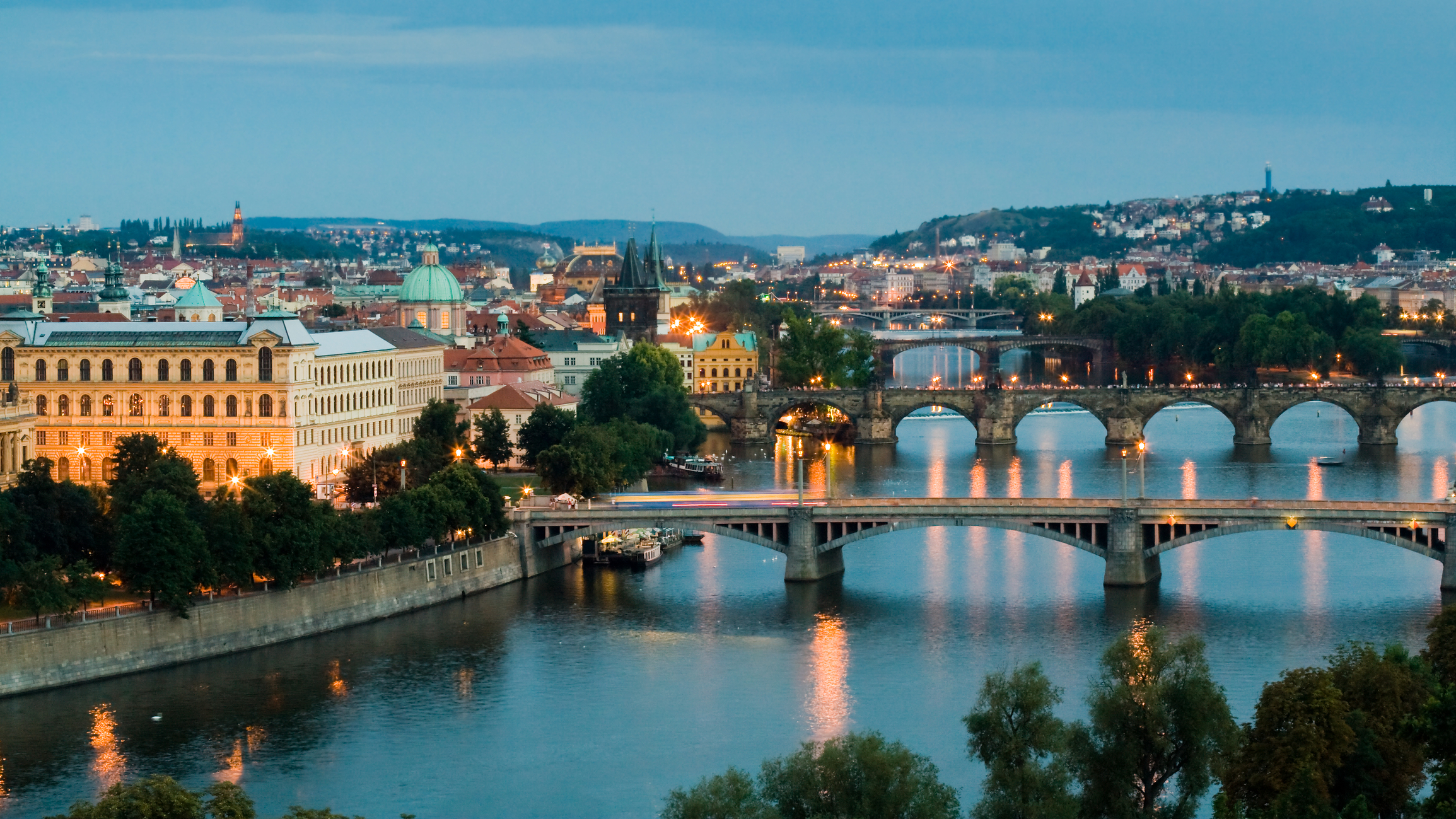
Charles Bridge

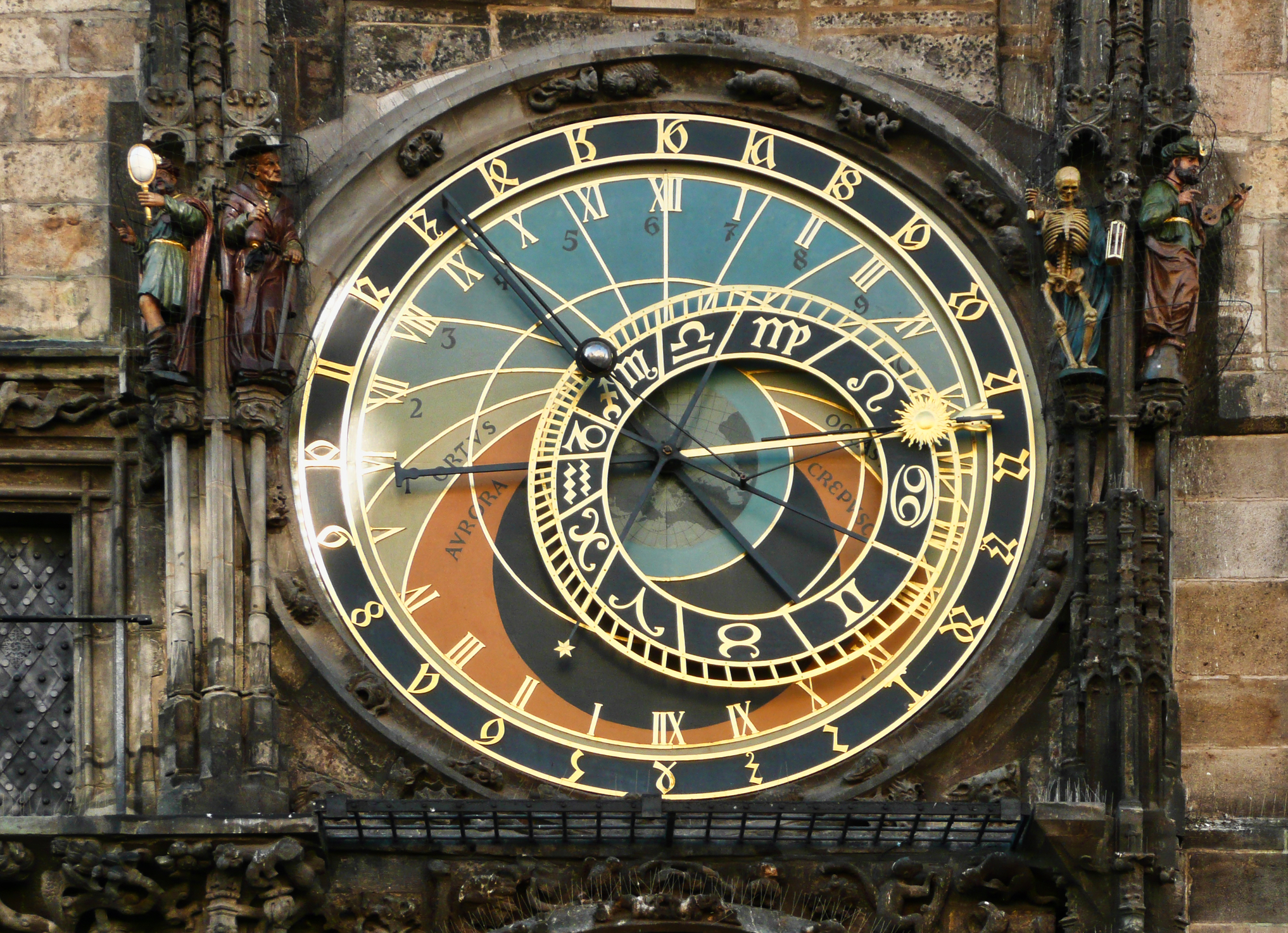
Prague Astronomical ClockMany of the city’s most famed landmarks are located here, including:

  • Charles Bridge, which is the city’s oldest surviving bridge. Charles IV commissioned the bridge in 1357 and it was completed in 1390. It is notable for its striking Gothic towers on either side as well as the historic statues that can be found along its length.
  • Hradcany Castle, which was once the seat of the country’s rulers but is currently the Czech president’s official residence. Established in the ninth century, it is a complex encompassing 45 acres where many historical landmarks can be found.
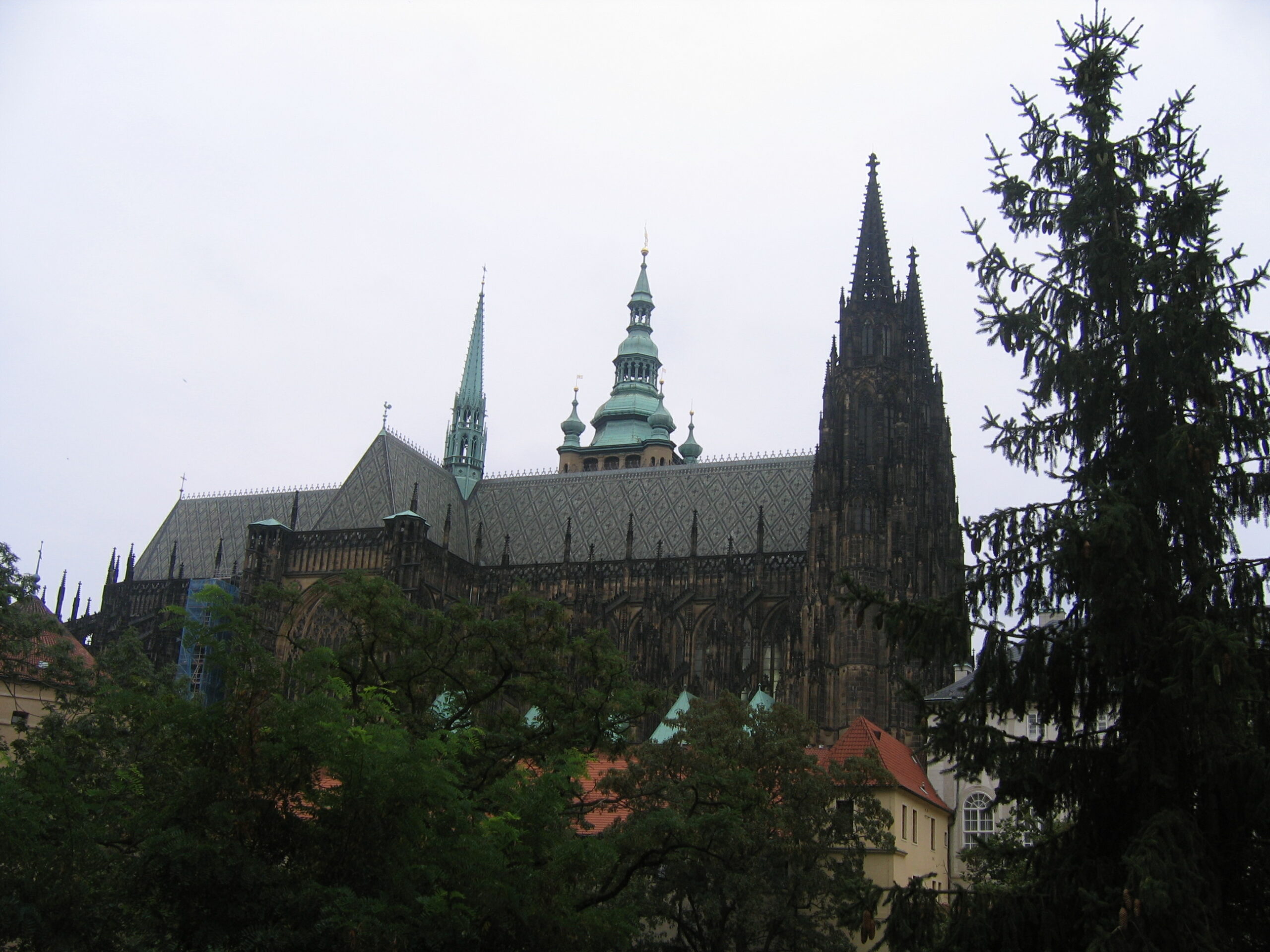
  • St Vitus Cathedral is a must see attraction in the Hradcany Castle complex. It is where the coronation ceremonies of Bohemia’s kings were once held. The cathedral also has several underground tombs were a number of kings are buried.
  • The Prague Astronomical Clock, which is installed outside of the Old Town Hall in Old Town Square. Originally installed in 1410, the clock is the oldest one of its type to be still operating. It’s marking of the hour draws visitors from all over the world.
  • Prague Castle, which overlooks the Lesser Town and dates back to the ninth century. The castle complex encompasses an area of nearly 70,000 square meters and includes ecclesiastical buildings and palaces in a variety of architectural styles ranging from the Gothic to the Romanesque. It has also been designated as a UNESCO World Heritage site.
  • St. Vitus Cathedral is a Roman Catholic cathedral notable as an outstanding example of Gothic architecture. Located in the Prague Castle complex, the cathedral is currently the seat of Prague’s Archbishop.

St Victus Cathedral located in Prague

Visitors who want to learn about Prague’s rich history can visit some of the city’s many museums. The most interesting of these include:

  • The Jewish Museum is a complex of preserved monuments that include synagogues, the Old Jewish Cemetery and the Jewish Ceremonial Hall. Walking through the cobblestoned streets of the exhibits offers visitors a glimpse into the history of Prague’s Jewish community.
  • The Museum of Communism shows how Czechs lived under Communist rule from 1948 until 1989. Visitors can view multimedia exhibits as well as the museum’s collection of propaganda and other artifacts from the period.
  • The St. Cyril and St. Methodus Cathedral is an Orthodox Church whose basement hosts a memorial to Czech resistance fighters who assassinated the city’s Nazi governor Reinhard Heydrich in May 1942 and hid in the cathedral’s crypt afterwards. The church itself is of historic interest since it was Prague’s first Orthodox cathedral.

There are several ways to visit Prague, including river cruises from Prague.

We offer river cruises on the Elbe River and Vitavia River aboard an 80 passenger Paddleboat – Elbe Princess I and II.  Cruise itineraries include 7-night round trip Prague and 9 day Elbe River Cruise between Belin and Prague.

Another way to see Prague from a river cruise tour is with as pre or post land program from a Danube or Main-Danube River Cruise or Mosel River Cruise.  There are even Christmas Market cruises between Budapest and Nuremberg or Budapest and Vilshofen, so you can enjoy Prague Christmas Markets.

For more information contact us:  888-869-7907 / 713-240-6753  jan@europeanbarging.com


Cruising the Canals of France on the Deborah barge

MS Deborah barge, cruising the Champagne region of France as well as cruising from Paris to Burgundy, is a superb Premium canal barge, accommodating 22 passengers, in 11 cabins offering amenities and providing guests with all the comforts they need during their stay.

Deborah barge cruising the Champagne region of France

On board, everything has been taken care of down to the smallest detail with 6 crew members to guarantee a personalized service. The decoration creates a particularly soft and welcoming atmosphere. Located on the upper deck is the restaurant, which offers delicate cuisine in a refined setting, a lounge bar, and a relaxation area with a jacuzzi. Comfortable sun loungers are provided on the sun deck, the ideal place to relax and admire the surrounding landscapes.  The barge also features bicycles for cycling along the canal towpath or for cycling the nearby towns and countryside.

Excursions on the Champagne itinerary can include Reims Cathedral featuring stained glass windows by Marc Chagall, champagne tastings, a falconry show at Chateau-Thierry, and a tasting of Meaux cheese in Meaux.

On the Paris and Petite Seine, enjoy a tour of Paris, a tour of the Palace of Fontainebleau and its gardens, the Medieval town of Troyes, a champagne-tasting, and a visit to Chateau de Vaux-le-Vicomte.

The Deborah has comfortable cabins, with safes, telephone, and tv with lots of movies in English.  The ship is a new build rather than a converted cargo barge from the past.  The barge features lots of windows and a white interior to give it an open feel.

Dining on the Deborah is in one sitting.  Breakfast is usually a buffet of fruits, cereals, and pastries as well as meats and cheese.  Lunch has a buffet and served food.  Dinner is a served meal featuring regional wines paired with the meal and regional cheeses.  For travelers with special dietary needs, the barge chef can accommodate most requests.   Check out our dining video on sister ship Raymond.

For more information or to check availability, please contact us at www.europeanbarging.com  or jan@europeanbarging.com or 888-869-7907.

Discover the Beauty of Holland

Holland is a small country in Europe. Its modern name is the Netherlands. It is a country where many world-famous icons came from. Visiting this beautiful country allows you to discover its windmills, bulb fields, wooden shoes, masterpieces of the Old Masters, the canals of Amsterdam, the many Spring Gardens of Holland, the famous Holland tulips, and many more.  If you are planning for that Holland tour as your next travel destination, here are some of the events and places that are not to be missed:
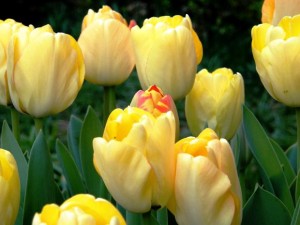
 

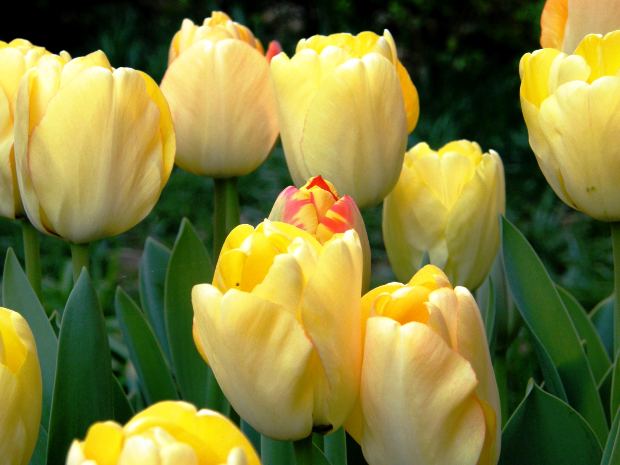
Spring time Tulips in Holland

BOLLENSTREEK’ Flower Parade

Holland tulips and other beautiful flowers are in bloom in springtime, usually from March through May. The parade is usually scheduled in April. This big flower festival draws almost one million spectators every year.

The Bloemencorso Bollentsreek is a big flower event that happens every year. Dozens of floats are creatively decorated with tulips, hyacinths, narcissi, and other flowers to represent a variety of themes annually.

Aside from dressed-up floats, many participants parade their own cars decorated with different flower bouquets.

The parade spans 42 kilometers, from Noordwijk to Haarlem.

Gardens of Appeltern

This is a 23-hectare park, the largest garden idea park in the Netherlands. People come here to find inspiration for their own gardens. Visitors will see the latest gardening trends and innovations that they can use to build or improve their gardens at home. The highlight of your visit to this beautiful park is a walk around the park, called the Appeltern Whisper Tour.

They have over 200 inspiring gardens. Inside the park is the Discovery Island where the young and old can play and discover nature.

Every year they have different activities. They even offer workshops.

Het Loo Palace and Gardens

This sprawling palace and gardens are found at Koninkiij Park in Apeldorn. The Paleis Het Loo gardens were reconstructed to their 17th-century original design by Queen Mary II and King-stadtholder William III. They were known as the first residents and the founders of the Het Loo Palace.

The garden screams of a Dutch Baroque design. There are symmetrical parterres, historical planting, and amazing fountains.

The main purpose of the gardens was to give prestige, impress visitors, and establish the status of both William and Mary.

During the 19th century, the garden was filled with sand and later transformed into a landscape park. The park has different kinds of trees and shrubs. During the 1980’s it was remodeled back to its original Baroque style.

Different contemporary and historical flowers are in bloom each season. The Het Loo Palace and Gardens has already been officially recognized as a botanic garden, it is a reward to acknowledge its decades-long dedication to horticultural professionalism.

From the months of April to October, visitors get to enjoy the fountains in the palace. In comparison to the gardens of Versailles, the garden at Het Loo is thought to be more modest in terms of scale. The fountains are a different story, though. The fountains at Paleis Het Loo constantly spout fresh water because of the high level of the groundwater which actually surpasses the French varieties. The King’s Leap (Koningssprong) was considered to be the highest spouting fountain in the whole of Europe at 13 meters.

Visitors will find sculptures of the goddesses and gods from Greek mythology, in the center of the garden, such as Venus, the goddess of love.

Keukenhof Gardens

The Garden of Europe is also referred to as the Keukenhof Gardens. It is recognized as among the world’s biggest flower gardens. It is located in the beautiful town of Lisse. It is in the province of South Holland, just south of Haarlem and in the southwest area of Amsterdam. This whole space is known as the “Dune of Bulb Region”. The park actually covers an area of about 32 hectares, housing almost 7 million flower bulbs yearly.

The sprawling garden is popular for its colorful tulips. Aside from tulips, other flowers are featured in the park, like daffodils, roses, irises, hyacinths, lilies, and carnations.

The Keukenhof Gardens is open all year round, featuring Different activities that take place like festivals and private affairs.


Tulip Land

Holland is popular for its tulips. Keukenhof Gardens is home to 7 million flower bulbs that bloom from March to April. Crocus season starts in March, followed by hyacinths and daffodils. Then by mid-April to early May gorgeous tulips are in full bloom, creating a sea of amazing beauty.

Holland may very well be called the Tulip Land with the many different tulip farms. There are tulip farms in Noordoostpolder, Flevoland. Tulips may also be found along the coast of The Hague and Leiuden.

Sights and Events in Belgium

Nearby Belgium also has interesting places to visit too.

Park and Castle of Beloeil – this 25-hectare park and castle are one of the most popular places in Belgium. Real ancient furniture still adorns each room of the castle. The rich history of the place is also showcased by one-of-a-kind collectible pieces still found all throughout the castle. The French garden is a marriage of water and greens. Activities are suspended as of this writing because of the global pandemic.

Castle and Gardens of Freyr ­ – this castle and gardens are located 50km from Brussels South Airport. The Dukes of Beaufort-Spontin used this castle as their summerhouse. This place is rich in history as 20 generations have lived there. Marvel at the different fountains and the 300-year-old orange trees all around the garden. Be amazed by the 6-kilometer hedged small mazes.

Fernelmont – The Castle of Franc-Waret and its Natural Gardens – the Fernelmont castle farm is the last remaining original medieval building in Franc-Waret in Fernelmont, Namur, Belgium. A moat surrounds the castle which is adorned by beautiful French gardens. An English-style garden covers more than 120 hectares of the palace. This castle built around the 1300s has an imposing porch dungeon. This is a huge limestone structure that features a central arched entrance which is located between two hemispherical projecting parts. It is recognized as an exceptional heritage site of Wallonia.

The Royal Greenhouses in Laeken – this is open for three weeks each year starting from mid-April to the first week of May. This is in time for springtime wherein a lot of colorful flowers are in bloom. The Greenhouses are part of the Royal Park, hence it is closed to the public for most of the year.


Europeanbarging offers short river cruises through Holland and Belgium on Arosa and Croisi Cruise lines as well as 7-night cruises on AmaWaterways.  A Holland Tulip river cruise is a great way to see more of Holland and Belgium and their gardens.  Some of the gardens would need to be visited as a pre or post-cruise trip as they are not on the rivers or canals.  For more information or to check availability, contact Jan at 888-869-7907  or jan@europeanbarging.com.


EUROPEANBARGING IS OFFERING 20% OFF FALL 2021 EUROPE RHINE AND MOSEL RIVER CRUISE

Quote

Save 20% on a European Rhine, Neckar, Sarre and Mosel river cruise featuring the ports of Strasbourg, Heidelberg, Rudesheim, Cochem, Trier, Saarburg and Remich, departing Oct 5, 11 (R), and 17, 2021. Rates start at $1300 for a 7 day cruise.

Rate based on double occupancy and includes the cruise, all meals, beverage package of alcoholic and non-alcoholic beverages, and Wi-Fi. The excursion package is additional but may be pre booked at a discount or individual excursions can be pre purchased.

“This Four River Cruise visits 4 countries and cruises by historic castles, charming villages and beautiful vineyards. Catch a view of the famous Lorelei as your cruise to Rudesheim; walk among the ruins of the famous Heidelberg Castle, visit the 4h century ruins of Trier – the oldest city in Germany; tour Cochem Castle.” Jan Baumgartner of Europeanbarging


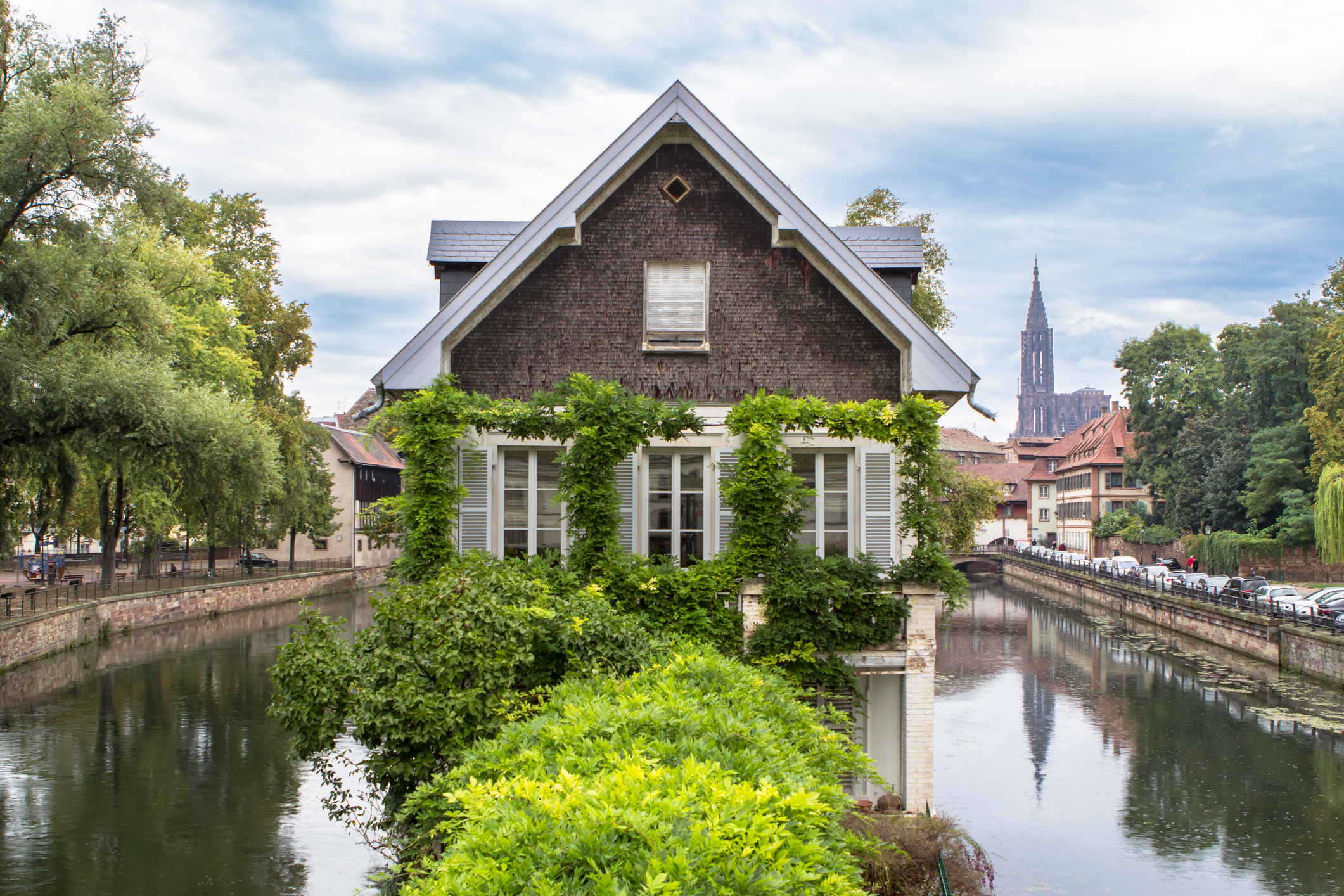
Canal of Strasbourg

Strasbourg Canal

You will want to arrive a day early so you can experience the wonderful city of Strasburg with her Cathedral and Alsatian architecture and canals.

DAY 1: Strasbourg
You’ll board our ship at 6 p.m. After comfortably settling into your cabins, we’ll introduce our crew at a welcome cocktail reception. Our ship will cast off at 7:00 p.m. for Mannheim. Join us for an evening of entertainment.

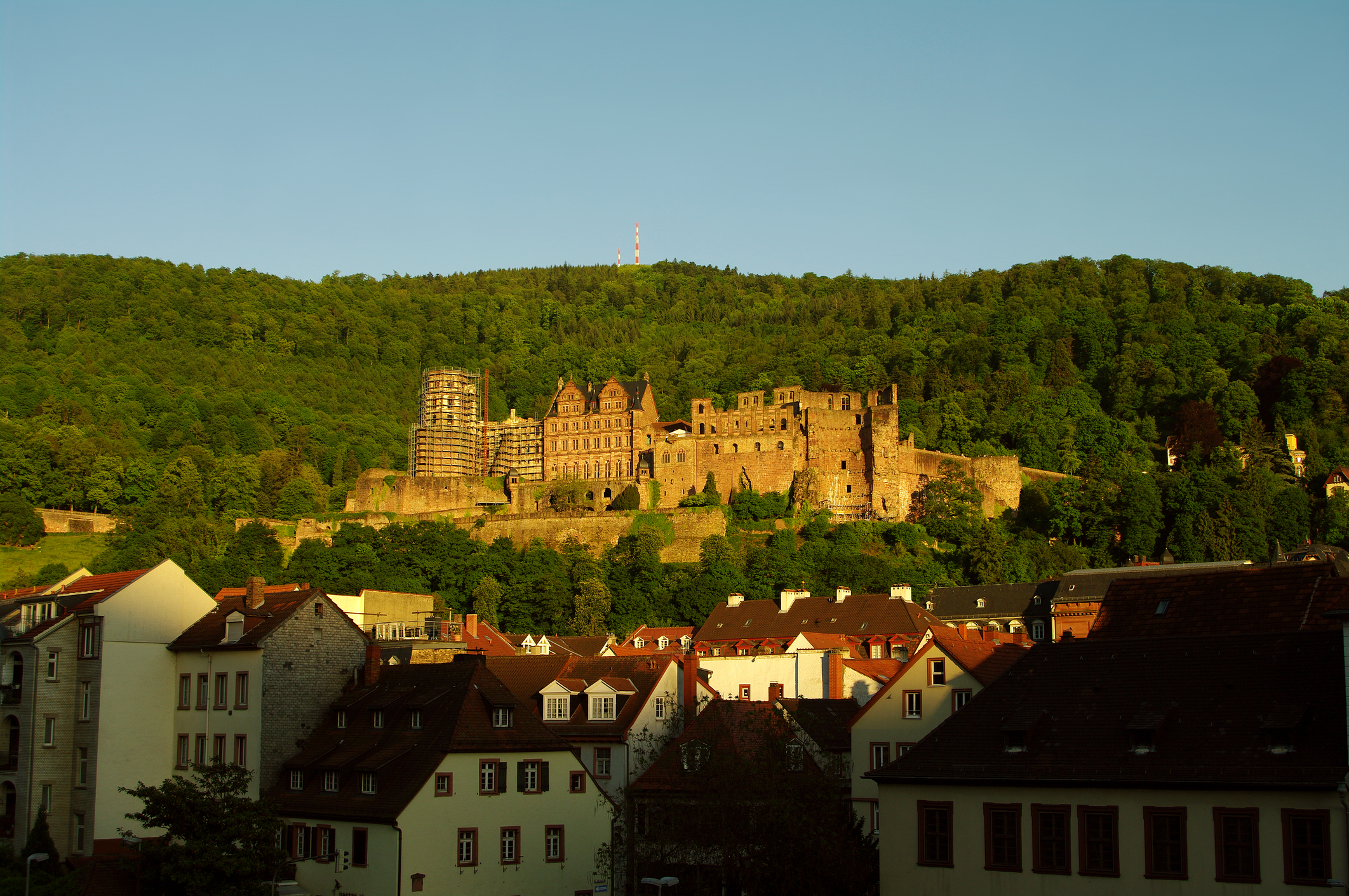
Heidelberg Castle at Sunset

Heidelberg Castle

DAY 2: Mannheim – Heidelberg -Rudesheim
We’ll arrive in Mannheim early in the morning. This will be our starting point for the optional excursion to Heidelberg. Known as the most romantic city in Germany, it has inspired many painters and poets by its beauty. You will have the opportunity to visit the partially ruined, red sandstone castle that sits majestically above the city, overlooking the Neckar River. Up to the Thirty Years’ War, Heidelberg boasted one of the most notable ensembles of buildings in the Holy Roman Empire. While time has taken its toll, this castle’s fame lives on to this day. The giant wine barrel is one of the most popular attractions. There is also time to explore the historical town of Heidelberg.

The afternoon will be spent cruising along the Neckar and Rhine Rivers towards Rudesheim, where we’ll arrive in the evening. The famous Drosselgasse with its numerous cafes, bars, and music awaits you tonight!

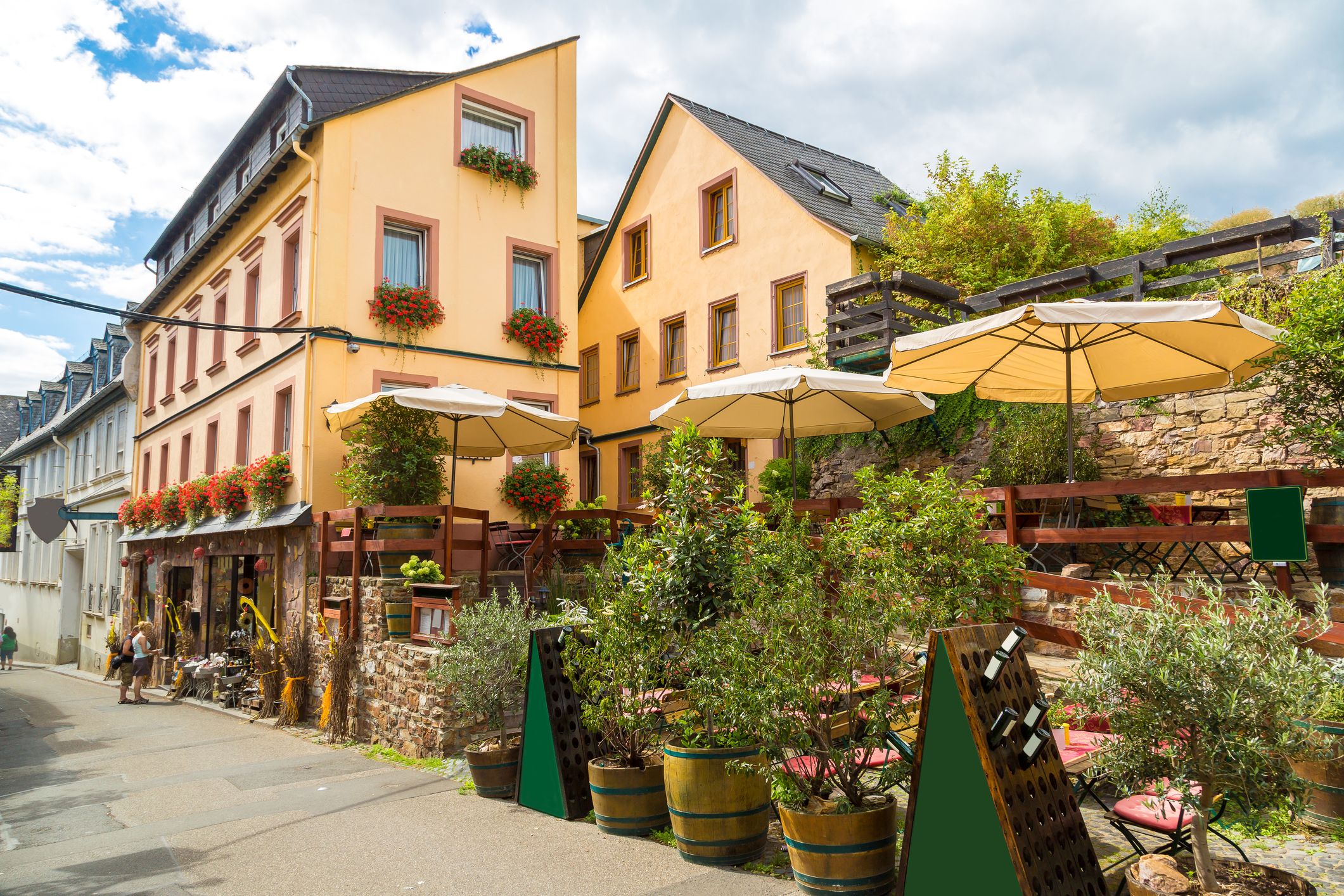
Rudesheim Wine Tavern

DAY 3: Rudesheim – Cochem
This morning, join us for an optional guided tour of Rudesheim.
Featured in the optional guided tour is a tour of the local vineyards on a tourist train. Then, you will participate in a wine tasting in the historic rooms of the Bassenheimer Hof. Then head to Siegfried’s Mechanical Music Museum, located in a lovely, 15th-century building. This museum holds a collection of fascinating musical instruments ranging from tiny, delicate music boxes to an enormous orchestrion. This museum is really worth a visit. This is a cute town with lots of little wine tasting shops and souvenir shops. Several streets behind the main river front street are some streets with great gelato and more shops.

This afternoon, we’ll pass through the beautiful and romantic Rhine Valley. We will arrive in Cochem during the evening. Join us for an evening of entertainment.

DAY 4: Cochem – The Mosel Valley
This morning, Take part in our optional guided tour of Cochem Castle. There is a mini bus to take up to the castle or you can walk up – same for the return. The Imperial Castle sits on a mighty crag over the Mosel River. We’ll enjoy a guided tour of this magnificent building that dates back to 1000. After being destroyed by the French in the 17th century, it was rebuilt from scratch in a Neo-Gothic style by a local German businessman. There is time to explore this cute town.

We’ll spend the afternoon cruising to Trier.

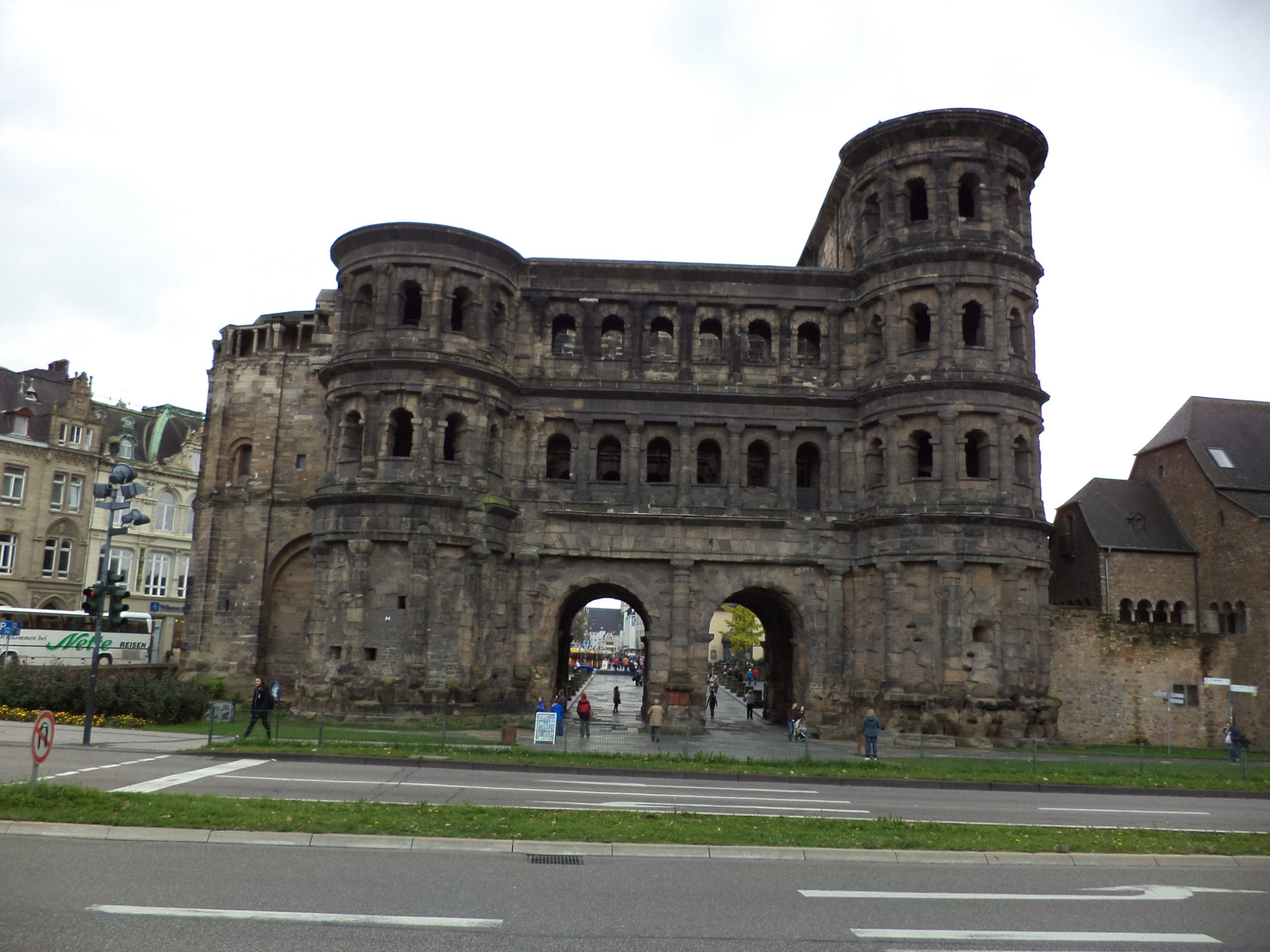
Trier Porta Negra

Porta Negra in Trier

DAY 5: Trier – Saarburg – Remich
Arrive in Trier during the night. This morning, join us for an optional guided tour of Trier. Discover the Roman vestiges and heritage in Trier, the splendid view the city offers of the Mosel, and its magnificent landscape. Trier is known for its well-preserved Roman and medieval buildings, but it is also home to some impressive churches as well. We’ll have a look at the amphitheater, the imperial baths, the Roman basilica, and the Porta Nigra, one of the best-preserved Roman city gates. After our visit, you’ll have some free time to sight see on your own before heading back to the ship in Saarburg.

The afternoon will be spent cruising along the Sarre and the Mosel towards Remich. Join us for an evening of entertainment.

DAY 6: Remich – Luxembourg – Remich
This morning, join us for an optional visit to a winery complete with a tasting. Seven pioneering men of the region recognized the magic of the huge calcareous rock downstream from Remich. They cultivated the first vineyards now infamous for its sparkling wines. In 1919, in the aftermath of World War I, they set up the Caves St. Martin. You’ll discover the secrets to wine making while strolling through the underground passages that seem to go on for miles. After our tour, we’ll go to the historical center of Remich where you can enjoy some free time on your own. Also called the “Pearl of the Mosel,” this charming city is surrounded by an outstanding panorama of vineyards and forests. Take a stroll along the several miles of promenade in the shade of the trees along the Mosel or sit back on a cozy terrace for some more wine.

This afternoon, Join us for an optional guided tour of Luxembourg. Leave from Remich for Luxembourg by coach. Luxembourg is a real mix of styles and cultures. We’ll set out on a guided tour on foot to get a closer look at some of the sites, including the Place des Armes, Place de la Constitution, capital buildings, Corniche, old city, Grand Ducal Palace (exterior), and Place Guillaume II. After our tour, enjoy some free time before returning to the ship in Remich.

After our excursion, we’ll return on board our ship. Tonight is our festive gala evening.

DAY 7: Remich
Buffet breakfast on board. Disembark at 9:00 a.m

River cruises in Europe offers a great opportunity to see so much more of Europe than on your own and with a river cruise, most of your costs are includes – such as food, transportation, accommodations and touring. You travel with others that you can share this wonderful experience with and have staff that can assist in independent exploring if you want to go off on your own.

We have many cruise itineraries to offer on the many rivers of Europe – from 3 night to more than 14 nights. We have promotions throughout the year on various cruises – so check with us for the perfect cruise. 888-869-7907 jan@europeanbarging.com

Exploring Heidelberg and Her Castle

Heidelberg is a city located in southwestern Germany, along the canals of the Neckar River. It was first recognized in 1196. It was the capital city of the Rhenish Palatinate. Later, it became the place of residence of the electorate counts palatine up to 1720.

The city was devastated during the Thirty Years’ War in 1622. It was almost completely wiped out by the French in 1689 and 1693.

Heidelberg is a university town. Its 2016 census revealed that it has a population of 159,914, with roughly a quarter of that figure are students.

It is the fifth-largest city in Baden-Wurttemberg.

The oldest university in Germany and one of Europe’s most reputable universities is in this city, the Heidelberg University, which was founded in 1386. The university played a leading role in the era of humanism and Reformation.

The city’s library is the oldest existing public library in Germany, it was established in 1421. A few months after announcing his Ninety-five Theses, Martin Luther came to Heidelberg to defend them, that was in April of 1518.

During World War II, the city was the stronghold of the Nazi party. Between 1933 and 1945 was known as the Nazi period.

In 1934-1935 the State Labor Service and students at Heidelberg University built the Thingstätte Amphitheater in the northern part of the town. This amphitheater was where Nazi Party events were held. After just a few months, the sprawling Ehrenfiedhof Memorial Cemetery was opened, which completed the last project of the Nazi Party in the city. It was in the southern part of the old town.

German troops left the city on March 29, 1945, after destroying the old bridge, the city’s valued river crossing. Allied forces penetrated the town the next day and the civilian population voluntarily surrendered.

It was said that the city was not targeted by Allied bombing raids because the U.S. Army wanted to use it as a post-war garrison.

The city is known as the scientific hub in Germany as there are some internationally renowned research labs near Heidelberg University, including Max Planck Institutes and the European Molecular Biology Laboratory.

For centuries it has been an art hub, especially literature. The UNESCO Creative Cities Network even awarded it as a “City of Literature”.

The city is a favorite tourist destination because of its popular romantic cityscape, including The Philosopher’s Walk, the old Baroque town, and the Heidelberg Castle.


Heidelberg Castle at Sunset

Heidelberg Castle

The Heidelberg Castle

The popular landmark, Heidelberg Castle ruins are among the most important Renaissance buildings located north of the Alps. it was demolished in the 17th and 18th centuries and has only been rebuilt partially. The castle is a towering figure from the Konigstuhl hillside. Visitors can go there via the Heidelberger Bergbahn funicular railway which runs from Kornmarkt all the way to the summit of the Kongistuhl.

The earliest castle structure was built before 1214. A second structure was built in 1294. In 1537, though, a lightning bolt struck and destroyed the upper castle.

The present structures were improved in 1650, unfortunately, wars and fires destroyed these structures. Portions were rebuilt but another lightning bolt struck in 1764.

You can visit Heidelberg and her castle from most Rhine River Cruises.  We offer from 4 – 15 day cruises.  Checkout our website for  cruise itineraries.   Contact us for more information and current promotions:  888-869-7907 or jan@europeanbarging.com