Have you ever dreamed of visiting an enchanting land of castles and rolling countryside? If so, Rudesheim, Germany is the place for you to visit. It lies along the Rhine River, it’s decorated with an abundance of castles and it is one of the most romantic cities you will visit in Germany. A Rhine River cruise will take you to this amazing land and where you can indulge in its wonders.
Rudesheim is one of the Rhineland’s best known wine villages and offers many sightseeing attractions to its visitors. This fascinating village is on the route of many Rhine river cruises.
History of Rudesheim
The original name of Rudesheim is Rudesheim am Rhein. It is situated in the Rheingau region at the foot of the Taunus Mountains and is a primary center of the Rhine wine industry. It was first mentioned in 864. The Brömserburg, an early castle of the archbishops of Mainz, was rebuilt as a residence around 1200 and later belonged to the knights of Rudesheim. Now, it is home to amazing historical collections and a wine museum. Half-timber houses, narrow streets, and old inns give the town its medieval look.
What to see in Rudesheim
One of the attractions in this riverside town is Siegfried’s MechanicalMusicCabinetMuseum. This is the first museum collection of automated musical instruments in Germany. You will be mesmerized as you look at this impressive collection.
Siegfried’s Mechanical Music Cabinet Museum is housed in Brömserhof, a noble court built in 1542. It covers an exhibition space of more than 400 square meters and has one of the largest and most beautiful collections of mechanical music boxes. There are around 350 exhibits of mechanical instruments dating back to the 18th to the 20th century – from delicate musical boxes to a huge piano-orchestrion. The museum also collects tools and machines for manufacturing barrel organs, cardboard music, piano rolls and musical box plates.
Siegfried’s MechanicalMusicCabinet Museum displays music boxes of the past as well as traditional techniques in making the musical boxes and music rolls. It’s interesting to learn how these instruments work and how their place in society has evolved. The museum is located above the river front area of shops and tasting rooms. Near the museum you will find more shops, tasting rooms and restaurants.
“I had no idea such musical instruments existed in the past – this was my highlight in one of my visits to Rudesheim. Jan Baumgartner”
The village of Drosselgasseis another sightseeing attraction in Rudesheim. Here you can stroll along the cobble-stone streets and enjoy the village atmosphere. Drosselgasse has a number of taverns and tempting beer gardens. The Rheingau’s famous Rieslings, Sekt and locally distilled brandiesare readily available if you are interested to taste them all. Wine enthusiasts can learn how wine is produced in the Rheingau, can visit the wine museum at the Bromserburg castle.
The mighty slate rock Lorelei in the Romantic Rhine Valley is yet another pride of Rudesheim. This rock rises up almost vertically to 145 yards/132m above the water-level. Downstream the river is squeezed into its narrowest and deepest point 24 yards/22m. So the Middle Rhine at this point used to be very difficult to navigate and the correct passage, today, is clearly marked with buoys.
Even in the 19th century, reefs and rapids made this area extremely dangerous for ships to pass. According to legend, a siren called “Lorelei” bewitched the hearts of the sailors and when they looked up to the rock, their boat crashed and they sank.
Rudesheim is so captivating you shouldn’t pass by without visiting it. It’s location, architecture, and wines make the town a favorite stop along the Rhine for tourists. So get on-board a Rhine River cruise and be prepared to explore this wonderland!
We offer short Rhine River Cruises of 4- 6 nights as well as 7 night and longer cruises along the Rhine River of Germany. Cruise lines we work with are AmaWaterways,Arosa Cruises, Croisi Europe and Viva Cruises. For information, please contact us at 888-869-7907 or jan@europeanbarging.com
Cologne, Germany is always worth a visit as it offers new things to discover with every trip. Whether you explore the city on a bike or on foot, you can experience the city’s most beautiful and culturally-enriching sites through the museums of Cologne.
From Roman Empire relics to the place where Eau de Cologne was born, as well as a museum solely dedicated to chocolate, and collections of some of the world’s greatest art pieces, exploring the city’s museums is like going on a treasure hunt.
For starters, here are some of the top museums in cultural Cologne:
Situated next to the Cathedral of Cologne, The Roman-Germanic Museum is mainly a collection of archeological artefacts from 1000 centuries of settlement history in Rhineland, as well as Cologne’s Roman heritage. The heart of the collection is literally the famous Dionysus Mosaic.
Built on a Roman villa’s foundations and around the 70 ft2 mosaic unearthed in 1941, the museum has since been open to the public. Other museum highlights include the largest Roman glass vessel collection in the world, the goldsmith art of Merovingians, stone weapons and tools from the Neolithic age, and the 50-ft tall tomb of Roman veteran legionary Lucius Poblicius that dates back to 40 AD.
Josef Haubrich donated his collection of modern art to Cologne at the conclusion of WW II. It included pieces by Emil Nolde, Marc Cha-gall, and Otto Dix. Three decades later, the city received 350 pieces of art as a gift from Peter and Irene Ludwig on condition that a new museum would be built by the city.
The Ludwigs’ donation laid down the foundation for one of Europe’s most significant museums of contemporary and modern art. The museum houses 900 Picassos, the biggest pop art collection outside the United States, and valuable works by Roy Lichtenstein, Andy Warhol, and Alexander Rodchenko, among others.
A science center, Cologne’s Odysseum is an experience house of knowledge. It prides itself as a knowledge communication place, and metaphorically uses the epic Odyssey as a journey. It is a museum ideal for inquisitive children.
The museum sees human development as one open ended journey, and science as both progress and problem. Odysseum’s subject is the challenge of how to shape the future. You can experience the adventure of discovering the knowledge about the future through the various experience stations scattered on an area of 5,500 m2.
The Chocolate Museum is dedicated to, you guessed it right, chocolates! Its 4,000 sq2 m area contains everything you may want to know about your favorite confectionery.
Explore chocolates’ 5,000-year cultural history, and follow the journey of the cocoa bean – from the time it is roasted until it becomes a wrapped chocolate bar! Go through each step of the production process that culminates in a tall, 200-kg fountain of melted chocolate – ready for sampling!
Used as headquarters by Nazi Germany’s Secret State Police (more notoriously known as the Gestapo) from 1935 to 1945, the building now houses the NS Documentation Centre of Cologne.
You can pay tribute to the Nazi atrocity victims NS Documentation Centre. Exhibits document Cologne’s own experience under the Nazi regime. Former victims and prisoners wrote over 1,800 inscriptions and epitaphs while trapped inside the prison’s walls.
In the year 1824, art collector and university professor Ferdinand Franz Wallraf donated his collection of art works to the city. Johann Heinrich Richartz, a Cologne merchant, then provided the funds for a museum to contain the precious art pieces 30 years later; thus the museum’s name.
Cologne’s oldest museum features European art that spans many centuries – from the Middle Ages up to the 20th century – spread over the museum’s three floors, with each story dedicated to a particular period.
An ethnographic museum, Rautenstrauch-Joest Museum explores the similarities and differences of past and present world cultures. The museum has two areas: 1) Understanding the World, and 2) Shaping the World.
The exhibits take a look at all sides of different human cultures that include, religion, identity, and living concepts. The interactive multimedia shows let museum visitors immerse themselves in various cultures, and experience different perspectives.
Throughout the city of Cologne’s rich history – beginning with the oldest Roman settlements – churches have been built on the same place where the Kolumba Museum now stands.
During the medieval ages, Saint Kolumba parish was the biggest and most dominant in Cologne. To properly showcase the parish’s power, the magnificent Kolumba Church was built. It stood proud until 1943, when it was demolished tragically – together with the rest of Cologne – by an Allied forces’ air strike. The ruins have mainly remained untouched, except for a diminutive octagonal chapel built by Gottfried Böhm in 1949 to commemorate the bombing.
The oldest fragrance factory in the world lies just across the street from Wallraf-Richartz Museum. More popularly known as Eau de Cologne’s birthplace, Farina Fragrance Museum takes visitors to 3 centuries of fragrance history.
On display are art pieces, furniture, and various authentic objects from the original production site of Johann Maria Farina, an Italian perfumer who created the world renowned scent in 1709. Among his most notable customers were Kings Louis XV and Frederik the Great.
The Museum Schnutgen features a valuable medieval art collection in one of the oldest churches in Cologne. A lot of pieces in the collection, by themselves, are worth a trip already. These include the expressive St. George Crucifix, the unique filigree ivory carving Comb of St. Heribert, and the magnificent Parler Bust.
The gamut of the exhibits range from stone and wooden sculptures, valuable goldsmith artworks and stained glass to rare textiles and ivories. One distinctive museum feature is its wide, 1,000-year old exhibition space. The aura and stillness of the Romanesque St. Cecilia Church make experiencing the beauty and spiritual vibrancy of the art pieces possible.
Experience a glorious trip from ancient Greece that will take you all the way to the present, while reminiscing the triumphs and defeats of sports history’s leading athletes.
The permanent exhibits feature medals, clothing, sports equipment that include the Benetton Renault Formula One race car of Michael Schumacher, as well as many other sports memorabilia. Themed areas are dedicated to the Olympiad, new trend sports, and German gymnastics, among others.
The Municipal Museum was built in Dutch Renaissance style back in the 1600s. The armoury was originally used as a weapons arsenal.
Today, it is home to Cologne’s Koelnisches Stadtmuseum that offers an insight into the economic, spiritual, and daily living in Cologne and its people – back from the Middle Ages up to the present day.
Cologne Cathedral’s Treasury is arguably Germany’s biggest and richest. Initially intended to be a collection of relics, which were deemed as the real treasure during the Middle Ages, the artistic and monetary value of the settings were not of primary importance.
Not the conventional type of museum of today, practically everything on display are still used ecclesiastically. Contents of the treasury reflect the changes in the history of the cathedral that through centuries survived robberies, and gained gifts from emperors, popes, and bishops.
Devote one visit to tour the museums of Cologne, both the popular and the secluded ones, and you’ll understand why the city is considered as one of the top tourist destinations not only in Germany, but the whole of Europe as well.
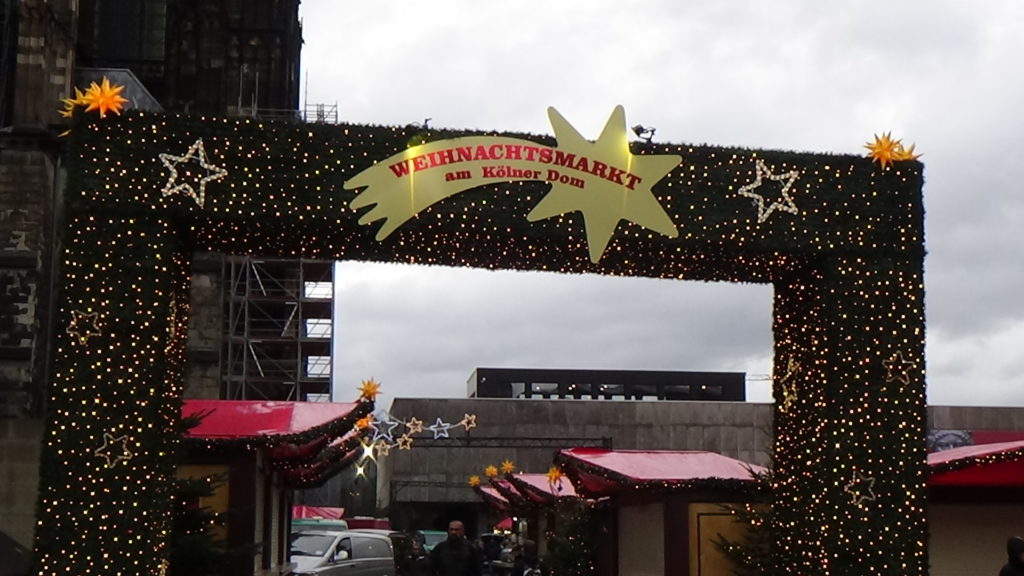
Arosa river cruise line offers Rhine and Holland river cruises from 4 – 8 nights and they start and end in Cologne. A pre or post night stay to visit the museums of Cologne would be a great addition to a scenic Rhine River cruise. Booking a short Advent (Christmas Markets) cruise this fall from Cologne, you get the added benefit of enjoying the 7 Christmas Markets that Cologne is known for.
Cologne Cathedral Christmas Market
Contact Europeanbarging to assist in finding the best special offers in booking a river cruise – and hotel accommodations to visit Cologne museums. 888-869-7907 jan@europeanbarging.com
Spring, TX – Europeanbarging has been in the travel business since 1998 specializing in European barge and river cruises. It represents most of the well-known companies in Europe offering simple to luxurious cruises and recommend the most appropriate based on the traveler’s interests.
There are many options for families and groups. This includes a Cologne to Cologne 5-night Rhine and Moselle River Cruise on an Arosa cruise, one of the leading short river cruise companies.
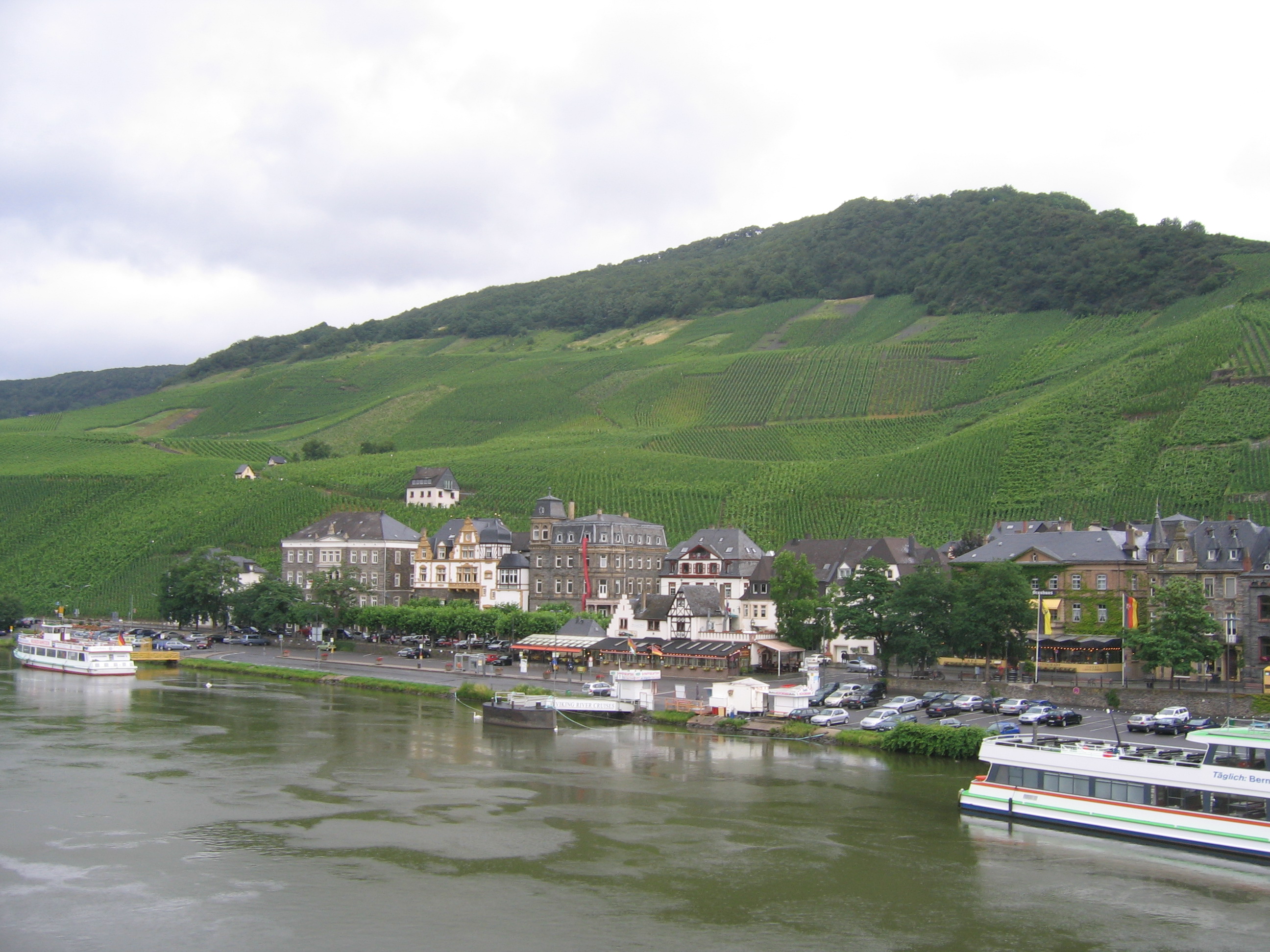
Enjoy the picturesque scenery while having a Moselle river cruise and have a chance to taste the well-known Moselle wines. The Moselle valley is the third largest region in Germany for wine production. Guests get to visit famous wine estates in the Moselle area that produce some of the most quality brands in the market.
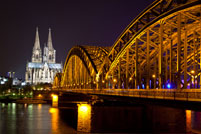
Guests also get to see one of the great cities in Germany – Cologne. Famous for its Kölner Dom or Cologne Cathedral, seat of the Cologne’s Catholic Archbishop. It is a Gothic church and appointed a UNESCO World Heritage site. It is believed that it holds the relics of the Three Kings who were mentioned in the Bible.
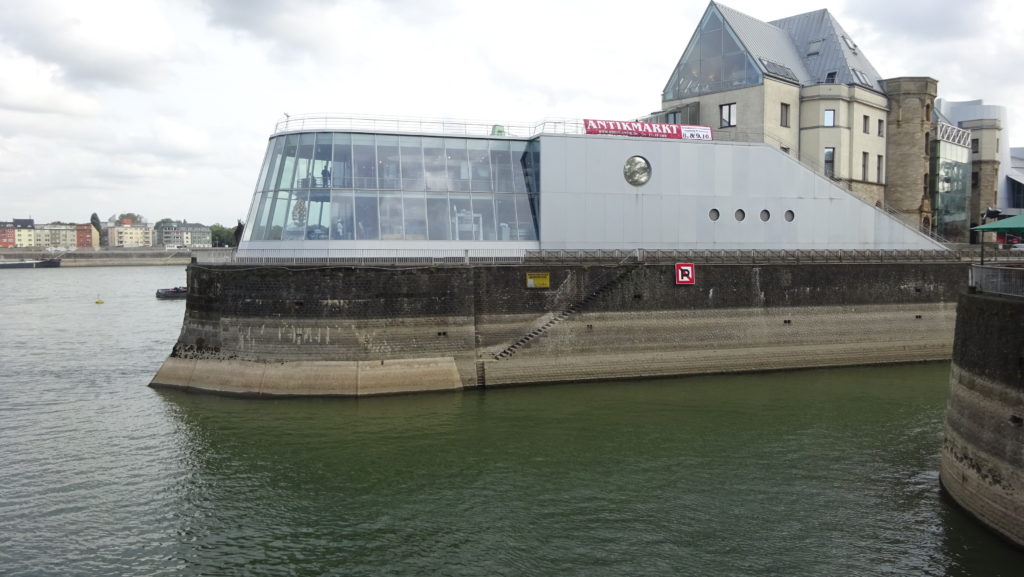
Other sites in Cologne are Cologne city hall which is the oldest city hall in Germany that is still in use, Malakoff Tower a monument built to be an observatory gateway for navy arsenals, The Great St. Martin’s Church which might have been a sacred temple for the ancient Romans, and the old abbeys that will take guests back in time.
Guests will visit the majestic castles in Cochem one of which is Reichsburg Cochem. King Konrad III once occupied the Reichsburg Cochem, also known as the Imperial Castle of Cochem. It was ruined during the Nine Years’ War. Louis Fréderic Jacques Ravené later bought and reconstructed it. The castle is now owned by the town of Cochem.
Guests can go shopping at the medieval marketplace with houses made of timber frames and visit the St. Michael’s Parish Church in Bernkastel and Keus. A bridge was built to join the once separated places in 1905. Dr. Loosen’s Wine Estate, one of the well-known wine producers is also located here. If you visit at the end of August, you can look forward to the Bernkastel-Kues Middle Moselle Wine Festival. From the crowning of a wine queen to a wine tasting evening to a parade and crafts, this is one of the best wine festivals in Germany.
During the tour, guests will be brought to popular sites in Trier, such as the High Cathedral of Trier, the largest roman city gate, Porta Nigra a UNESCO World Heritage site. Trier features 9 of the 35 UNESCO World Heritage sites found in Germany. Travelers can also experience the Trier traditional wine festival in the Olewig district and enjoy the music, wine, and food.
Another ancient city included in the tour is the city of Koblenz. Guests get to visit the monument of Emperor William I at the Deutsches Eck, also referred to as the German Corner. See Alte Burg or Old Castle, which has a unique history of construction. Guests get to experience the traditional wine festival of Koblenz in the district of Lay.
The itinerary is subject to change and rates may vary depending on the chosen cabin or suite of the guests. Cruise and port taxes are included for regular rates, which start at $1040 per person. Also included on the Arosa cruises, are Wi-Fi, all meals and a beverage package. Wine, cocktails and long drinks are available throughout the day and evening as well as soft drinks, juices, coffee and tea. Excluded are sightseeing excursions that can be booked on board.
For more information contact Europeanbarging.com at 888-869-7907 or jan@europeanbarging.com
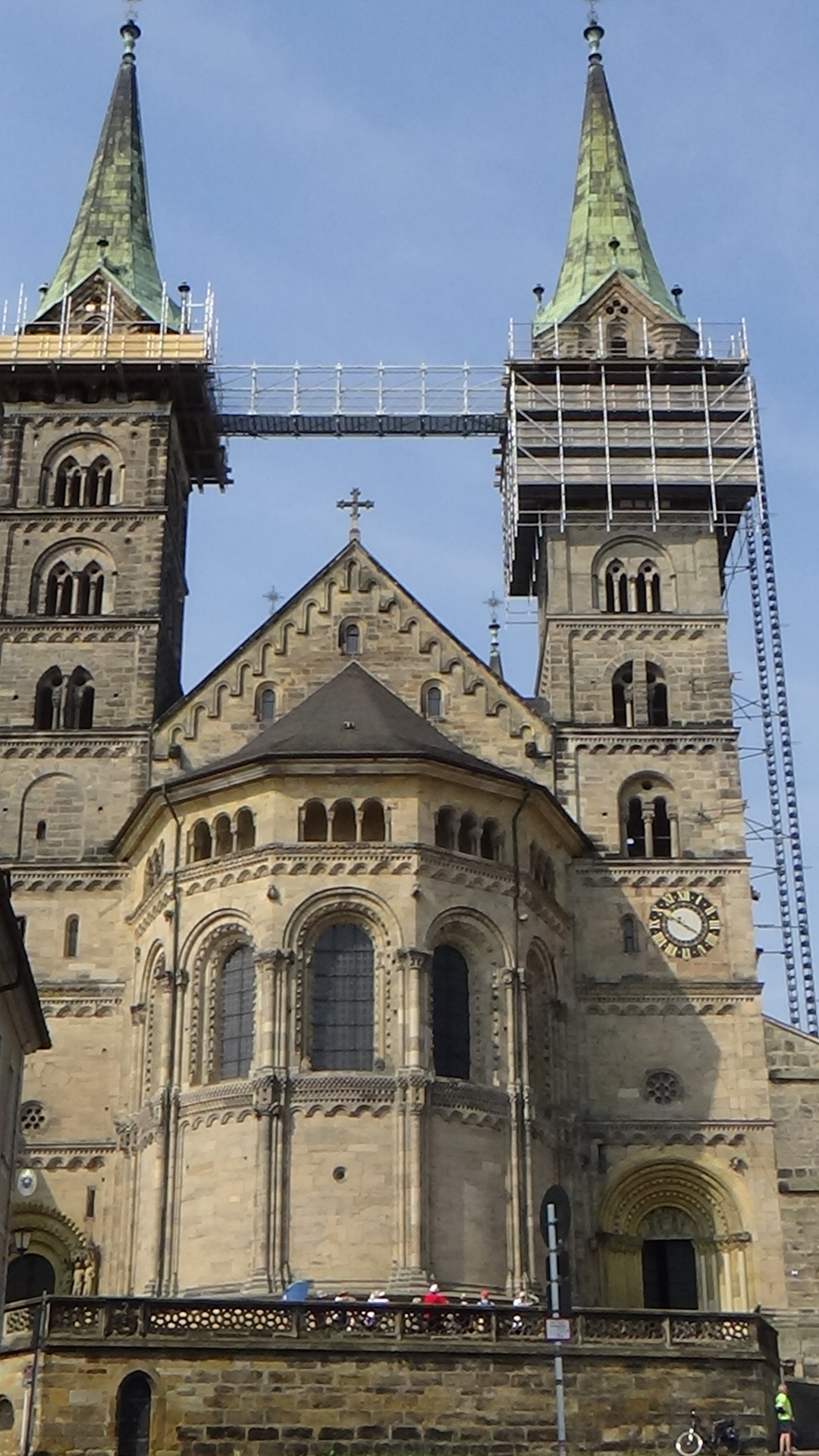
A Danube River Cruise in Bamberg, Germany will give you glimpses of well-preserved buildings. One of these buildings is the Bamberger Dom (Official name is Bamberger Dom St. Peter und St Georg. Also dubbed as the Bamberger Cathedral, it’s a must-visit site for many reasons. Since 1993, the cathedral has been part of the UNESCO World Heritage Site “Town of Bamberg”.
History Encompassing Two Millennia
Before he became a king and an emperor, Heinrich II had his favorite home in Bamberg. Years later, he offered the property as a gift to his wife, Cunigunde.
Around 1002, Heinrich II became Germany’s King. He liked Bamberg so much that he did most of his governing duties therein. Aside from his fondness for the town, he and his wife were known for being pious. It wasn’t a surprise when they initiated the creation of a diocese in Bamberg.
Building began in the same year. It was declared holy on May 6, 1012, as part of the founder’s birthday celebration.
However, the initial cathedral was burned down decades later. It was replaced but it was also destroyed by fire. The current structure was built in the 1200s.
The Remaining Germany-Based Papal Grave
It’s known that many popes are buried in Italy, specifically in Rome. However, not all former popes are buried therein. Some papal graves are in France. There’s also one in Bamberg, Germany.
Before the 1800s, two papal graves were situated in Germany. The first one is that of Pope Clement II. Before he became the leader of the entire Catholic Church, he served as bishop of Bamberg. His body was first buried in Rome but was eventually moved to Bamberger Dom. The marble tomb of Clemens II is located in the west choir.
The second Germany-based papal grave belonged to Pope Benedict V. His tomb was in Hamburg. However, it was destroyed around the 1800s. This left Pope Clement II’s tomb the only other papal grave that was not based in Italy or France.
The Tomb of the Imperial Couple Turned Saints
The bishops of neighboring dioceses opposed the creation of the initial Bamberg diocese. However, then-king Heinrich II insisted.
Twelve years after becoming a king, Heinrich II was recognized as the Holy Roman Emperor. When he died in 1024, his wife planned his interment in the Bamberg Cathedral. Almost 16 years later, Empress Cunigunde also died. She and her husband shared a carved, marble tomb splendidly carved by Tilmann Riemenschneider.
The imperial couple didn’t have a child. As a result, the Ottonian dynasty of Emperors ceased to exist.
Nevertheless, the legacy of the former emperor and empress lives on. The Bamberg Cathedral is among the reminders of their contributions. Moreover, they were also canonized as saints by the Roman Church.
Works of Art
The cathedral itself is a work of art. Romanesque and Gothic styles were used in designing the structure. Aside from this, the sculptures you can find in the famed tombs are also worth seeing. The statues are noteworthy for their refined details as well. The most noteworthy treasure is the slender equestrian statue of the Bamberger Reiter (Bamberg Horseman), whose identity remains a mystery. This statue, possibly depicting the Hungarian king Stephen I, most likely dates to the period from 1225 to 1237. The Reiter is probably the oldest statue of a horseman created in post-Roman Germany. Nearby, the Virgin Mary altar by Veit Stoss also warrants closer inspection.
Bamberger Dom is among the best sites to visit, not just in the town of Bamberg, but in the entire German country. Everyone can bask in the solemnness the cathedral and its rich history offer. You can also enjoy the breathtaking architecture, sculpture and other works of art you can see therein.
Bamberg is a stop offered on river cruises itineraries that feature a Main and Danube River itinerary. Featured cruises are AmaWaterways Medieval Treasures; Europe’s Rivers & Castles; as well as the 14-night Magnificent Europe. Arosa’s “Romance on the Rhine” cruising between Cologne and Engelhartszell, Austria as well as Cologne and Regensburg also makes a stop in Bamburg.
Europeanbarging can assist with finding the perfect river cruise for you. Contact them for promotional offers and details on payment plans. Europeanbarging are barge and river cruise specialist since 1998. For more information: jan@europeanbarging.com 888-869-7907
Europeanbarging, an ARC accredited agency, is offering a Military Discount of 10%, for both active or veterans, on its’ full line of barge and river cruise products.
Their products include: European river cruises, Short European river cruises (4, 5, 6 and 7 days) Luxury European Barge cruises and Casual Bike and Barge cruises.
The river cruise itineraries include the countries of France, Germany, Italy, Holland, Austria, Hungary, Portugal and Spain.
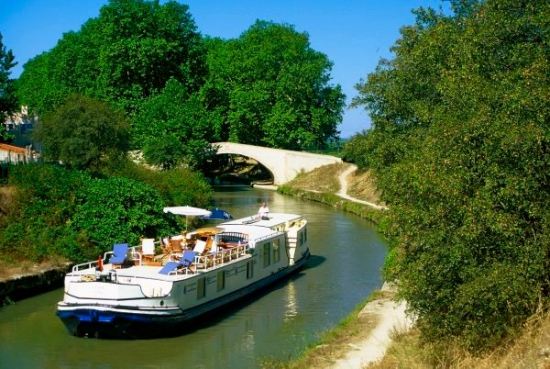
The luxury barge cruises are offered on the canals of France, Mosel River in Germany, Venice lagoon in Italy, Thames River in England, Scottish Highlands of Scotland and the Shannon River in Ireland.
The casual bike and barge cruises take place in Holland and Belgium, Germany, France and Italy.
“A river cruise is one of the easiest ways to visit multiple cities throughout Europe, while still enjoying enough downtime to have the relaxed holiday getaway you deserve. Our spectacular cruise packages are the ideal way to travel in style and beauty.” Jan Baumgartner, Europeanbarging
AmaWaterways is rated one of the top river cruise lines in the world. In addition to offering many different itineraries, they have many themed cruise itineraries such as wine, art, food and music. The rates include 7 night cruise with multi choice excursions, use of bicycles to cycle the area, free Wi-Fi, all meals including wine with lunch and dinner as well as a one hour happy hour each evening before dinner. A wide variety of food choices available onboard. Rates start at $2999 per person in low season, often with discounts up to $750 off. Military discount would be additional.
AmaLegro docked at night
Europeanbarging offers two different international cruise lines for their short river cruises:
While onboard the German/English cruise line Arosa, you will enjoy a multitude of amenities including all meals, a beverage package, free Wi-Fi and discounts on spa services. Meals feature food stations offering regional specialties with lots of options.
Rates for your Rhine River Cruise, Danube River Cruise, Douro River Cruise, Rhone River Cruise or Seine River Cruise start as low as $1,429 per person for a 7 night cruise when booked through Europeanbarging. For singles, there is a low single supplement charged. Each ship has a few lower deck cabins with 3 beds that will hold 3 persons. Children 15 and under CRUISE FREE with 1 or 2 adults in the cabin.
For the French/English cruise line Croisi, their rates include all meals, unlimited complimentary onboard beverages, including: beer, fine wine, spirits, mineral bottled water, soft drinks specialty coffees and tea as well as included Wi-Fi. They offer optional, motorcoach and walking tours as well as active excursions of cycling and hiking. Several of their ships feature single as well as triple cabins and elevators. A five day Rhine River Cruise starts at $909 per person.
Luxury barges range in price from low $3000’s to over $7000 per person. There are several barges in the mid to high $4,000’s.The rates include the 6 night cruise, daily maid service, bicycles on board for cycling, gourmet meals, wine and cheese of the region with lunch and dinner, open bar with alcoholic beverages and all the sightseeing. Some barges will have a small swimming pool or spa/Jacuzzi.
The prices are based on the features of the barges and food/wines provided. On the lower priced barges, you will be looking at cabins around 90 – 100 sq. ft., compact bathrooms and small shower stall. The wines will be regional wines. The more expensive barges will have larger cabins – 170 – 230 sq. ft. with larger bathrooms, big shower stalls with a glass door. Some of the wines will be premier and grand cru. Children are not allowed on the barges unless it is a specific children’s week or a family charter.
Many of the casual bike and barge cruises are 7 nights instead of the 6 nights on a regular full service barge. Prices range from $1940 to $2378 per person. These barges range from 6, 20, 21, 22, 24 and 34 passengers.
These cruises are typically for serious cyclist as the biking ranges from 20KM – 65KM per day. Bikes on these barges are typically heavy duty bikes designed for cycling in the area. Many bike and barge cruises have electric bikes available at a cost of between $100 – $150 for a week.
Included in the price: 6 or 7 night cruise, guide for the cycling tours , breakfast buffet, including makings for your packed lunch, dinner (3 courses) on boat, water with meals, clean towels and bed linen delivered half way through the cruise and bike rental (with helmets). Children are allowed on the bike and barge cruises.
Europeanbarging welcomes all inquiries to help you find the perfect cruise. 888-869-7907